Topic guide / Supply chain
Supply-Chain Improvement
Most supply-chain waste is hiding in plain sight: in a pickup-truck trip to a storeroom, a purchase order nobody needed, or a spreadsheet the people doing the work have quietly stopped trusting.
Start with the as-is process
Every improvement Tom describes begins the same way: map exactly how the current process works before suggesting changes, and interview the people who use it. At one chemical plant, those Voice of the Customer interviews revealed technicians hoarding parts because they didn’t trust the storeroom—invisible, expensive inventory.
- Map the as-is process step by step
- Interview the internal customers who live with it
- Measure travel, waiting, and rework—not only cost
Improve with the people who do the work
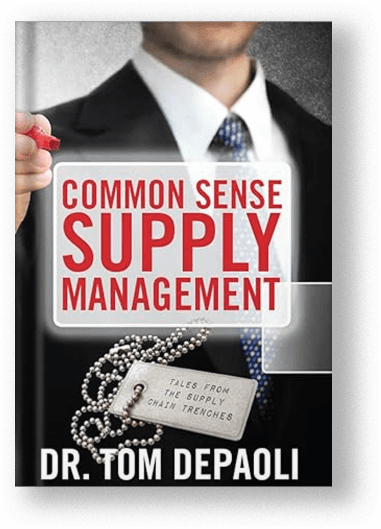
Kaizen and Lean Six Sigma work best when they are participatory. Tom’s books on Kaizen and broken-windows management describe fixing the small, everyday problems employees are tired of reporting, eliminating unnecessary purchase orders, and making improvement events engaging rather than bureaucratic.
Prepare for disruption
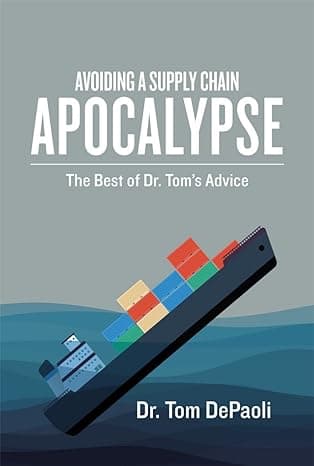
Resilience is not a single quick fix. Avoiding a Supply Chain Apocalypse explores a range of approaches to readiness, so a disruption becomes a problem you’ve already thought through rather than a crisis.